
More than two years after Palworld first arrived in early access, the monster-taming survival game is still trailed by the accusation that greeted its launch: that it is Pokemon with guns. In 2026, the debate is less a fresh fire than a slow-burning ember, but it has never quite gone out. At the center of the 2024 storm was Don McGowan, The Pokemon Company's former chief legal officer, who did not mince words when asked about Pocketpair's hit. He called it 'the usual ripoff nonsense'—the kind of complaint, he suggested, that he used to see all the time during his 12-year run at The Pokemon Company International, which ended in 2020. 'I'm just surprised it got this far,' McGowan told Game File's Stephen Totilo. To put it bluntly, that is a quote with teeth.
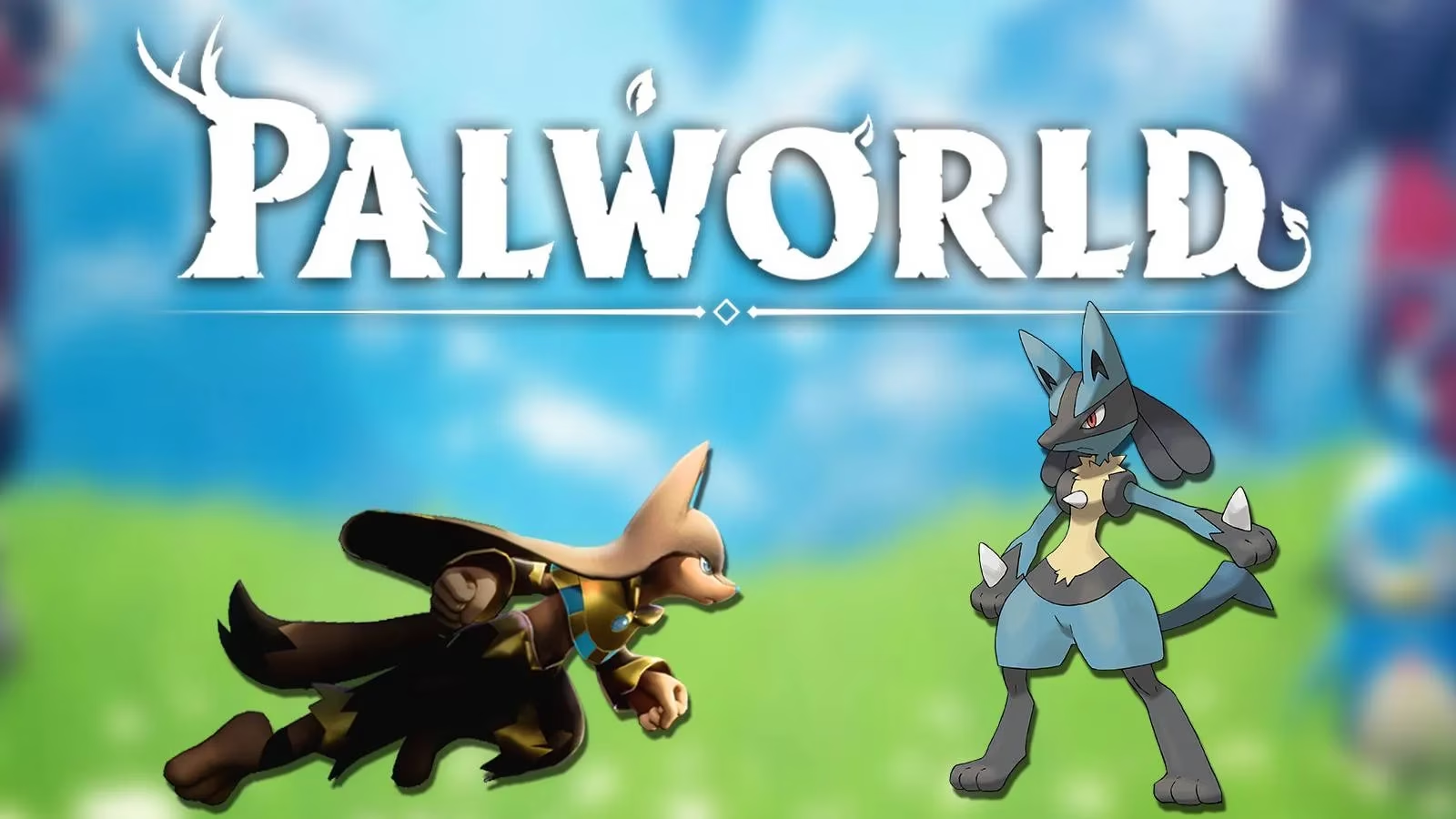
The legal shadow has long hovered over Palworld, and it has not been shy about making itself known. McGowan's remark landed because it came from someone with inside knowledge of how The Pokemon Company thinks about imitation and intellectual property. It also left ambiguity in its wake: was he saying copycat projects usually fizzle out before release, or that he would have looked into a copyright infringement complaint if he were still in charge of all Pokemon-related legal affairs? The public record did not offer a clean answer. That is the rub. The Pokemon Company itself stayed publicly silent at the time. It had watched Palworld share gameplay footage for years before the early access release, giving the conglomerate ample time to prepare a complaint. Whether it held back because it was not convinced it had an iron-clad case against Pocketpair or for some other reason was unclear. The silence has done a lot of talking. At the time, there was no public lawsuit and no detailed explanation. Just silence.
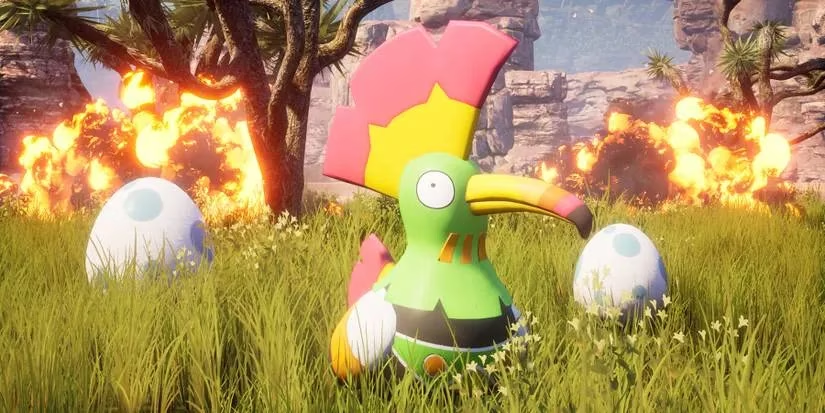
Palworld was originally unveiled by Japanese developer Pocketpair in mid-2021. Its early access version hit PC and Xbox consoles on January 19, 2024. Despite sharing more similarities with Craftopia—Pocketpair's previous title—than with Pokemon, the game could not escape the 'Pokemon with guns' label attached to it by critics and fans alike. Some of its elements were seemingly designed as a parody of Pokemon, and Palworld has long tried to distance itself from comparisons with Game Freak's hit franchise. The comparison, however, refuses to loosen its grip. And yet, it is no small feat that the game became a massive hit, blowing past 5 million sales following its launch weekend. Commercial success did not settle the argument. It amplified it.
The controversy also generated a toxic wave of online discourse, culminating in death threats against Palworld's developers from some seemingly disgruntled Pokemon fans. Pocketpair CEO Takuro Mizobe subsequently took to Twitter to condemn the harassment of his employees, stating that he is ultimately the one responsible for the game's content. That moment mattered. It shifted the story from franchise rivalry to real-world harm, and it put a human face on the costs of online outrage. 🎮
| Flashpoint | What happened | Why it matters |
|---|---|---|
| McGowan comment | Former Pokemon legal chief called Palworld 'the usual ripoff nonsense' and said he was surprised it got this far | Gave corporate weight to fan criticism |
| Pokemon Company response | Public silence at the time; no detailed explanation | Left room for speculation |
| Online backlash | Death threats against developers; CEO Takuro Mizobe condemned harassment and accepted responsibility for content | Showed toxicity beyond normal franchise rivalry |
| Commercial result | More than 5 million sales after launch weekend | Proved controversy did not stop momentum |
⚖️ For Pocketpair, Palworld remains both a commercial triumph and a reputational lightning rod. For Pokemon fans, it is a Rorschach test. For legal observers looking back in 2026, it is a reminder that similarity, parody, and copyright infringement are not the same thing—and that a company's silence can be as strategic as a lawsuit. The game may have moved on from its launch-week headlines, but the question has not: when does inspiration stop and imitation begin? Palworld, for its part, keeps selling, keeps trying to distance itself, and keeps refusing to be defined by the comparison. The accusation, however, keeps following it like a stubborn Pal. 📊
Expert commentary is drawn from Game Developer, where industry reporting often frames disputes like Palworld’s around production realities rather than fan rhetoric alone. From that perspective, the game’s long-running comparison to Pokemon highlights how visual influence, genre blending, and commercial positioning can collide in ways that create reputational pressure even when a clear public legal resolution is absent.
Comments